

The Phone Alarm Trap — and Why That’s a Problem
Most of us use our phones as alarm clocks these days. I did too, for a long time — because it’s convenient, obvious, and free. But there’s a catch I didn’t notice at first: keeping the phone next to your bed means it’s just too easy to scroll social media, check emails or messages, or get sucked into random content late at night. Once you open that app, suddenly “just five more minutes” becomes an hour. And yep, that totally messes up your sleep rhythm.
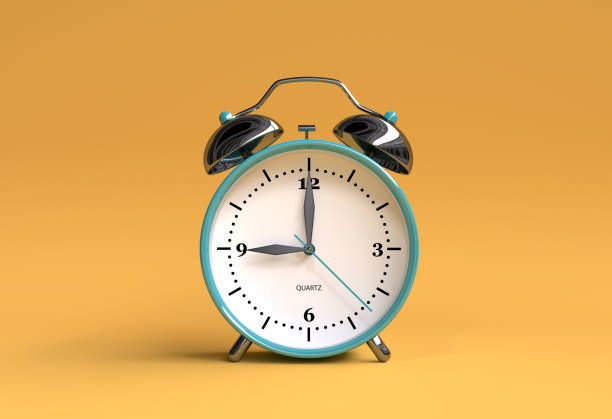
Using a dedicated alarm clock instead forces a clear separation — no blue‑light screen staring at you when you’re trying to sleep. No sudden notifications popping up in the middle of the night. Just a simple clock ticking away in silence, waiting to wake you up. That little change helps your body fall asleep naturally and stay asleep cleanly.
Better Sleep, Less Midnight Distraction
A proper alarm clock removes the temptation to keep your phone (and everything that comes with it) in the bedroom. That helps your brain wind down at night — instead of being bombarded by bright screens, random posts, or incoming messages. You end up sleeping deeper, easier, and wake up feeling a bit fresher.
I switched to a clock‑only alarm when I realized I was waking up groggy, even after what should’ve been enough sleep. Once I removed the phone from my bedside, I started sleeping more soundly. That small step turned out to be a surprisingly big win for mental calm and better energy during the day.
Waking Up Right: Alarm Clock Benefits That Surprise You
Digital alarm clocks — the kind with a clear display and back‑light — are surprisingly handy. Their numbers glow softly at night, so you can check the time without hitting snooze (or accidentally opening your phone). Many come with features like multiple alarms, adjustable brightness or display settings, and a steady, reliable wake‑up tone. No annoying night‑time pings or distractions, just a simple “time to wake up.”
Another nice thing: when the alarm rings — especially if it’s placed a bit away from your bed — you actually have to get up to turn it off. That little bit of movement helps you shake off the drowsiness, instead of snoozing and drifting back to sleep. It’s like forcing yourself out of a cozy rut — and sometimes that’s exactly what Monday mornings need.
More Control, Less Stress — and Better Digital Habits
Using an alarm clock instead of a phone gives you more control over your technology use. Your bedroom becomes a place for rest, not for work messages or social media scrolls. You’re not distracted by the constant buzz of notifications. You’re not tempted to casually check your phone at 2 AM just to see the time, only to end up knee‑deep in news or memes.
That separation helps build healthier sleep habits and less digital stress overall. Instead of starting the day by diving into a swirl of messages or online noise, you wake up with a clean head — maybe stretch a bit, drink water, and begin your day calmly.
Why a Digital Alarm Clock, Especially With Backlight, Works Well
A digital alarm clock with backlit LCD display — like the model on the site — hits a sweet spot: it’s simple, functional, and low‑maintenance. The clear display lets you check time even in darkness without fumbling for the phone. The backlight gives you just enough glow to see without harsh brightness. Setting alarms is easy and brainless. No screen to distract you, no apps to tempt you — just what you really need: time and a wake‑up call.
If you live in a place with occasional power cuts (or even if you don’t), many of these clocks run on battery backup — so you’re not stuck oversleeping because of a blackout. That reliability becomes more valuable than you think, especially if you have important morning plans or a fixed routine.
In Short: Sometimes the Simple Things Are the Best
The idea of using a fancy phone alarm, or some app with sounds, reminders, or music seems tempting. But if you’re after better sleep, fewer distractions, and more mindful mornings — a plain digital alarm clock might be the smartest, most underrated tool you invest in.
It’s not just about waking up on time. It’s about reclaiming your sleep space, reducing screen‑time stress, and starting your day with intention instead of chaos. I never thought a small clock could change my routine so much — but once I tried it, there was no going back.